Holy Week in Malaga: Tradition, art and emotion in the streets of the Mediterranean
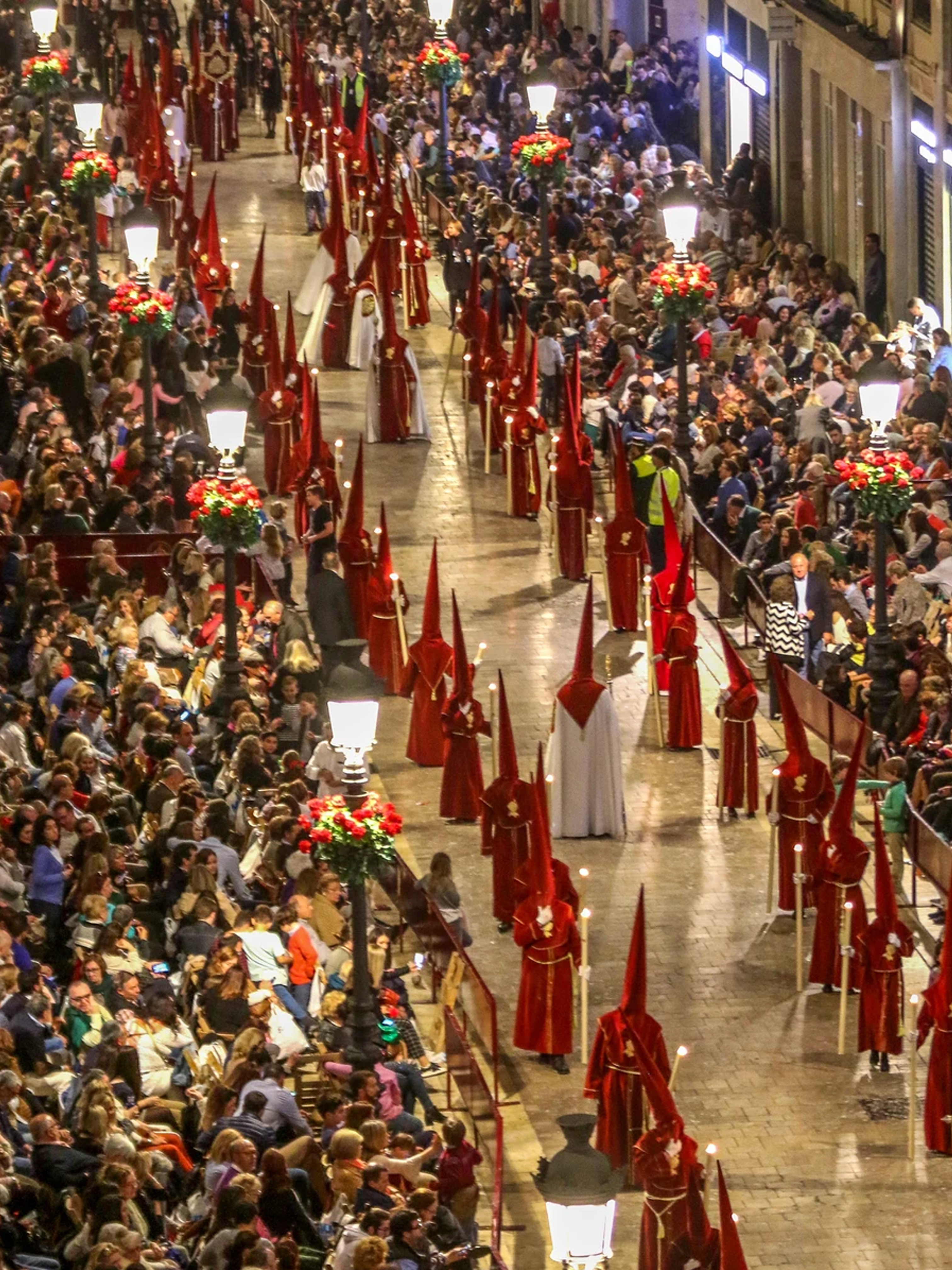
Every spring, the city of Málaga transforms. The usual bustle of its streets—normally defined by sunshine, the sea, and tourism—gives way to a solemn yet vibrant atmosphere where tradition, devotion, and art merge in one of Andalusia’s most emblematic events: Semana Santa de Málaga.
Declared a Festival of International Tourist Interest, this celebration turns the historic center into a living stage where thousands of people accompany the brotherhoods during a week of processions, music, and emotion.
A Tradition with Centuries of History
Holy Week in Málaga dates back to the 16th century, when the first religious brotherhoods were formed and began bringing sacred images into the streets to represent the Passion of Christ. Over the centuries, these manifestations evolved into authentic works of moving art.
Today, more than forty brotherhoods take part, each with its own identity, aesthetics, and unique way of processing through the city.
Among the most emblematic are:
• Real Hermandad de Nuestro Padre Jesús Cautivo
• Archicofradía del Paso y la Esperanza
• Cofradía de Nuestro Padre Jesús el Rico
• Cofradía del Santísimo Cristo de la Buena Muerte y Ánimas
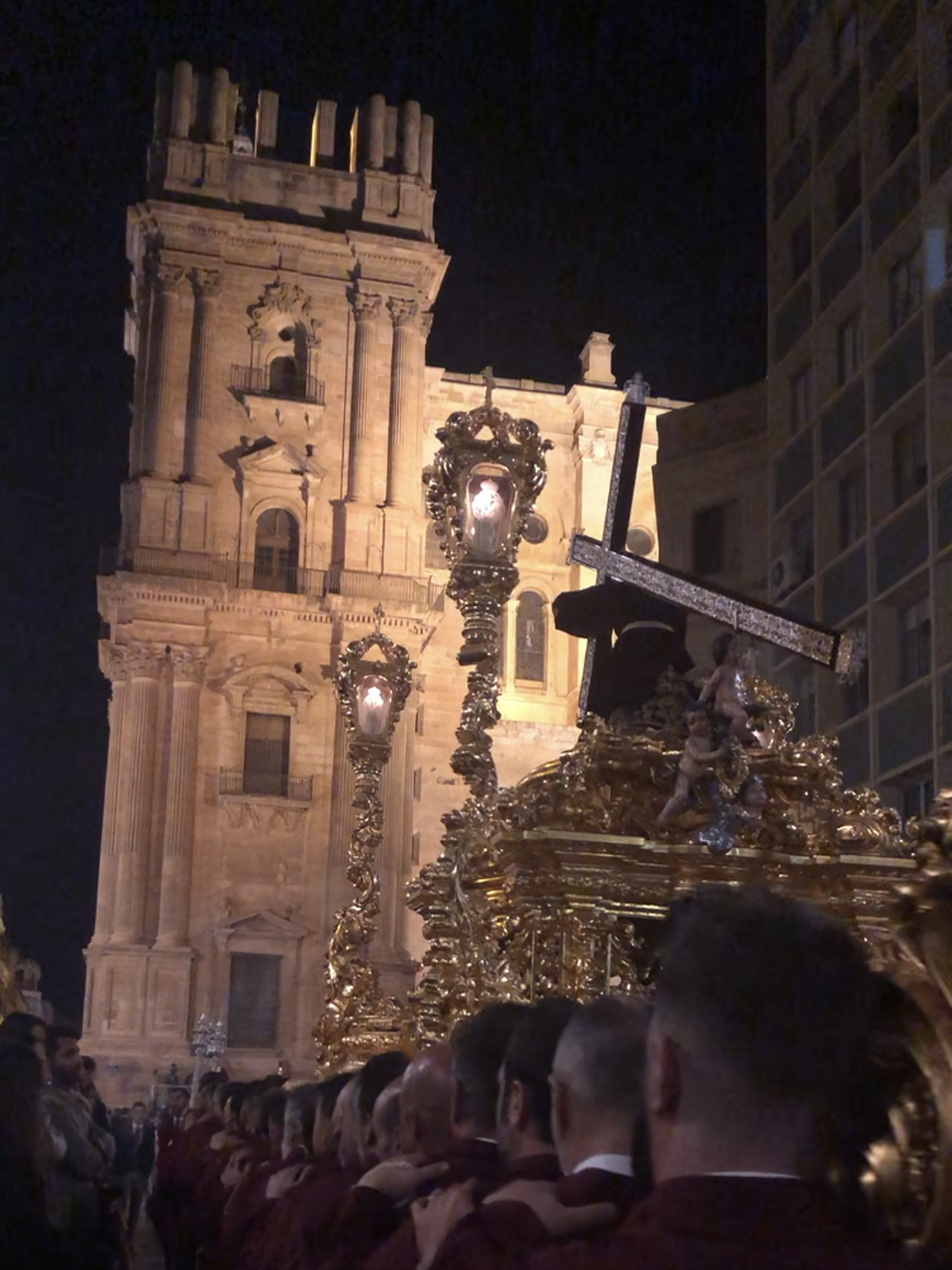
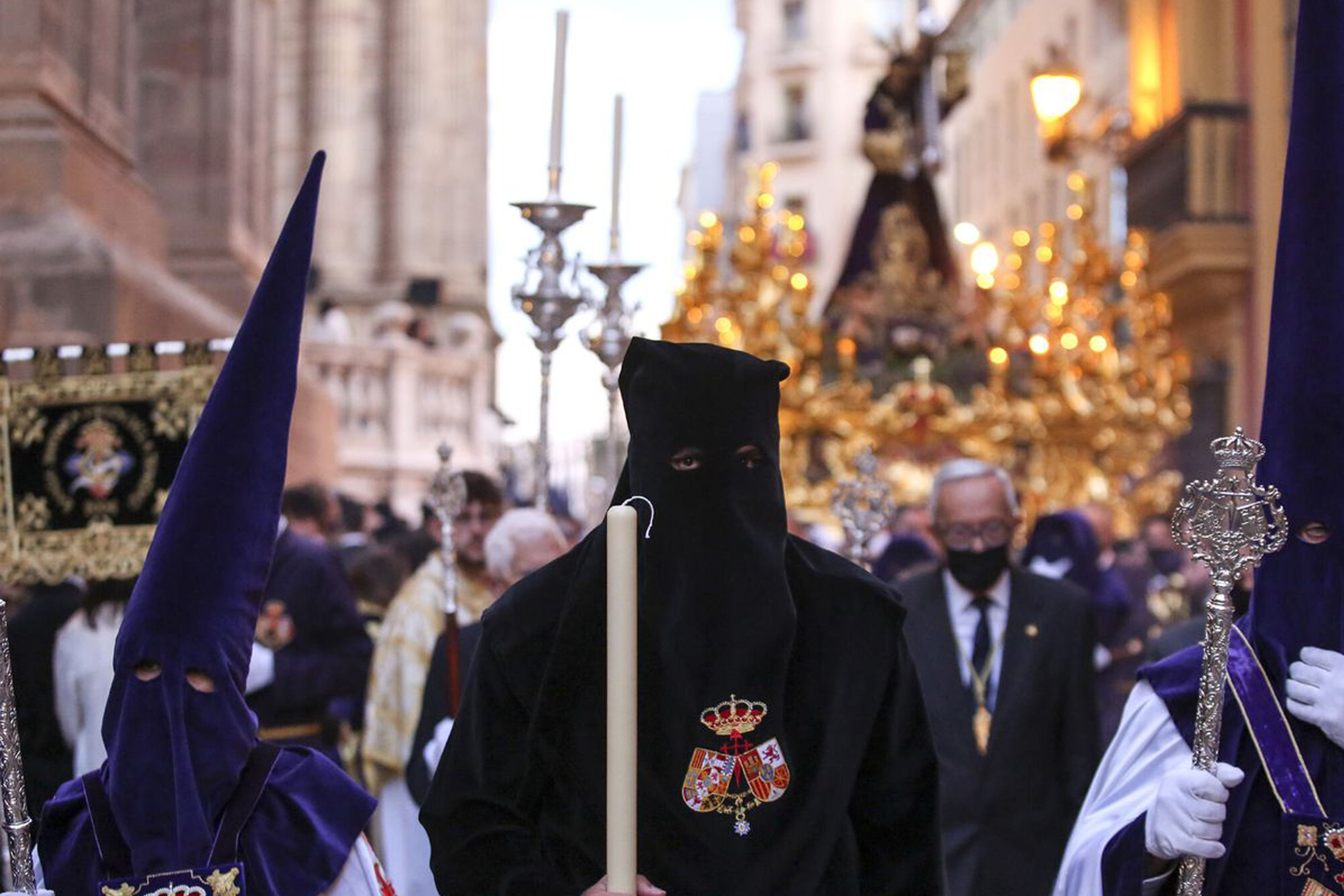
Each brotherhood brings out its tronos—impressive wooden structures richly carved and decorated—that carry religious sculptures of enormous artistic value.
The Largest Processional Thrones in Holy Week
One of Málaga’s most distinctive features compared with other Andalusian cities is the size of its tronos. Some weigh more than five tons and are carried by dozens of participants known as hombres de trono.
These structures differ significantly from the pasos used in cities such as Sevilla. In Málaga, the thrones are carried from the outside using long poles called varales, resting on the shoulders of the bearers and fully visible to spectators.
The result is a slow, rhythmic and spectacular movement that defines the character of Málaga’s processions.
Unique Moments That Only Happen in Málaga
Throughout the week there are special moments eagerly awaited by both locals and visitors.
One of the most striking is the arrival of La Legión Española. Every Jueves Santo, the legionnaires arrive at the port to accompany the Cristo de la Buena Muerte. Their military parade and the singing of El Novio de la Muerte have become one of the most powerful and emotional acts of the celebration.
Otro momento emblemático ocurre el Viernes Santo, cuando la Cofradía de Jesús el Rico libera a un preso, una tradición que se remonta al sigAnother iconic moment occurs on Viernes Santo, when the Cofradía de Jesús el Rico symbolically releases a prisoner. This tradition dates back to the 18th century and represents mercy and forgiveness.
The City That Never Sleeps
During these days, the historic center of Málaga hardly rests. Processions continue from the afternoon until the early hours of the morning, passing through iconic locations such as:
• Catedral de Málaga
• Alameda Principal
• Calle Larios
Thousands of candles illuminate the tronos while marching bands perform traditional processional music that intensifies the solemn atmosphere.
A Major Cultural and Tourism Event
Beyond its religious meaning, Holy Week has become one of the most important tourism drivers for the city. Hotels fill up, terraces overflow with visitors, and travelers from around the world gather to witness the spectacle.
For many visitors, experiencing Semana Santa de Málaga means discovering a tradition deeply rooted in Andalusian identity—a unique blend of faith, artistic heritage, and collective emotion.
¡¡¡Don't miss it, we’ll be waiting for you!!!